The Illusion of Control in Gambling
Many players enter casinos believing they can somehow influence the outcome of their games, viewing luck as an entity they can command. This myth often leads players to develop rituals or superstitions, such as wearing specific clothing or following unique routines before placing a bet. While it’s natural to seek comfort in a routine, the reality is that games of chance, like slots and roulette, operate purely on mathematical probabilities and random number generation, which is why some may choose to explore options like nz online casino to enhance their gaming experience. Understanding this can help players make more informed decisions and enjoy the experience without relying on unfounded beliefs.
Another aspect of this illusion is the misconception that past results can predict future outcomes. For example, many gamblers believe that if a particular number in roulette hasn’t come up in a while, it is “due” to appear. This phenomenon, known as the gambler’s fallacy, is another way players deceive themselves about control. Each spin or hand dealt is independent of the last, meaning past results have no bearing on future outcomes. Recognizing this fact is essential for anyone looking to engage with casino games responsibly.
Ultimately, understanding that casino games are designed around randomness helps players remain grounded. By appreciating the nature of these games, players can shift their focus from trying to control outcomes to enjoying the thrill of the game itself. Embracing the unpredictability of gambling can transform the experience from frustration into enjoyment, allowing players to make the most of their time in a casino environment.
The Role of Luck vs. Skill in Casino Games
One of the most pervasive myths is the belief that luck plays an equally significant role in every game. While luck is undoubtedly a factor in games like slots and roulette, other games such as poker and blackjack require a high degree of skill. In poker, for instance, players must employ strategies based on probability, psychology, and game theory to gain an advantage over opponents and the house. This distinction is crucial for those looking to approach their gaming experience with the right mindset.
Unlike games determined solely by luck, skill-based games offer players the opportunity to influence outcomes through their decision-making. Understanding the mechanics of such games can enhance a player’s experience and potentially improve their chances of success. Knowledge of strategies, proper bankroll management, and the ability to read opponents can set skilled players apart from those who rely solely on chance. Thus, embracing skill introduction into gaming can be incredibly rewarding.
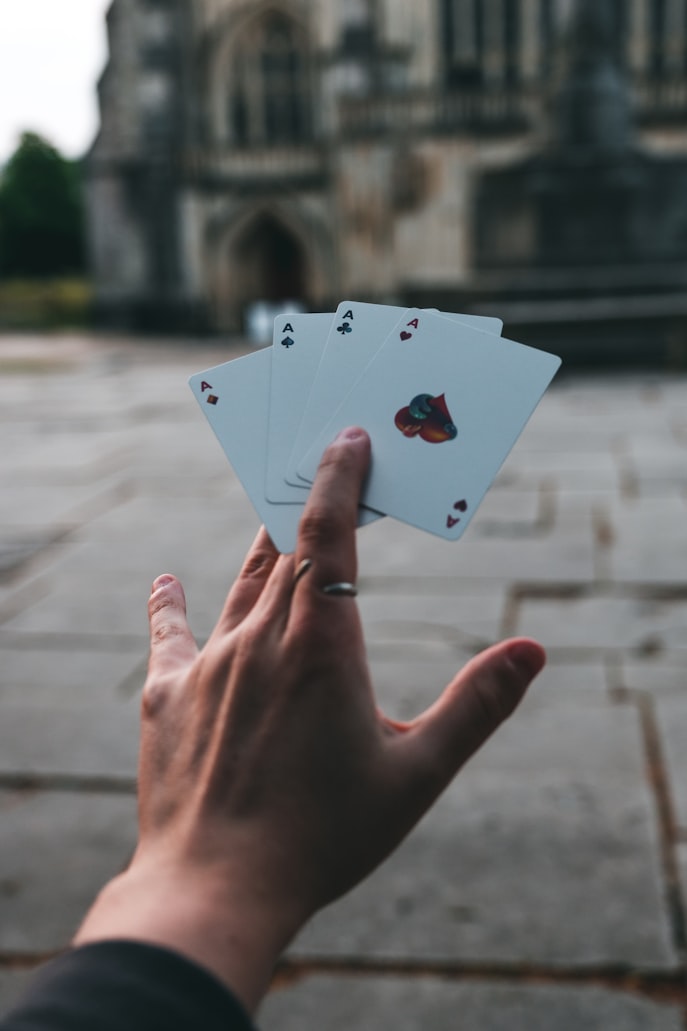
Moreover, many players overlook the importance of continuous learning and adaptation in skill-based games. There are countless resources available, from books and online forums to coaching videos that emphasize strategic play. Successful players often share insights gained from their experiences, highlighting that while luck can impact individual outcomes, it is often the mastery of skill that leads to sustained success over time.
Chasing Losses: A Dangerous Myth
A common practice among gamblers is to chase losses, often fueled by the misconception that winning back lost money is just around the corner. This tendency can lead players to make impulsive decisions, such as increasing their bets in hopes of recouping previous losses. The reality is that this approach can exacerbate losses and create a vicious cycle of gambling behavior that is hard to break. Recognizing when to walk away is a crucial lesson that many players need to learn.
Understanding and acknowledging the potential for loss is essential for all casino-goers. By setting strict budgets and adhering to them, players can enjoy the games without falling into the trap of chasing losses. The idea of striking it rich on the next hand or spin can be very enticing, but it is crucial to remember that the house always has an edge, and no amount of desperate betting can change that reality.
Ultimately, responsible gambling is about balance. Players should approach their time at the casino with a mindset of enjoyment rather than desperation. By recognizing the emotional highs and lows of gambling and implementing strategies to mitigate risks, players can cultivate a healthier relationship with gaming and enjoy the thrill without the damaging pitfalls of chasing losses.
Myths About Casino Promotions and Bonuses
Casino promotions and bonuses are often viewed with skepticism, leading to various myths surrounding their actual value. Many players believe that these promotions are a surefire way to guarantee wins or that they can be easily exploited. In reality, bonuses come with terms and conditions that can make them more complex than they initially appear. Understanding these details, such as wagering requirements, is vital for players who wish to take full advantage of these offers.

Moreover, some players perceive that accepting a bonus means they will win more often. However, the odds of winning remain consistent regardless of the bonus. Promotions can enhance the gaming experience by providing more opportunities to play, but they do not change the fundamental nature of the games themselves. Instead of relying on bonuses as a crutch, players should view them as added fun while remaining aware of their limitations.
Ultimately, casino promotions should be approached with caution and understanding. By becoming informed about the specifics of each offer and assessing their real value, players can make wiser choices that enhance their overall gaming experience. The key is to enjoy these opportunities without developing unrealistic expectations regarding their impact on gameplay and winnings.
Exploring Responsible Gaming Resources
The conversation around casinos and gambling often includes the importance of responsible gaming. Many casinos and online platforms provide additional resources aimed at educating players on the risks and realities of gambling. These resources include self-assessment tools, information about setting limits, and access to support groups for those who may need assistance in controlling their gambling habits. Recognizing potential issues early on can be crucial in maintaining a balanced approach to gaming.
Players should also take the initiative to educate themselves about gambling addiction and its warning signs. Awareness of the mental and emotional indicators can help individuals identify when gambling is no longer a form of entertainment but rather a harmful activity. Seeking help when needed is an essential step for anyone who finds themselves struggling with their gambling behavior, and many organizations are available to provide support and guidance.
As the landscape of gambling continues to evolve, so do the initiatives aimed at promoting responsible gaming. Many casinos collaborate with various organizations to raise awareness and develop strategies that protect players. By engaging with these resources, players can find the support they need, ensuring that their gambling remains a fun and enjoyable activity without negative consequences.